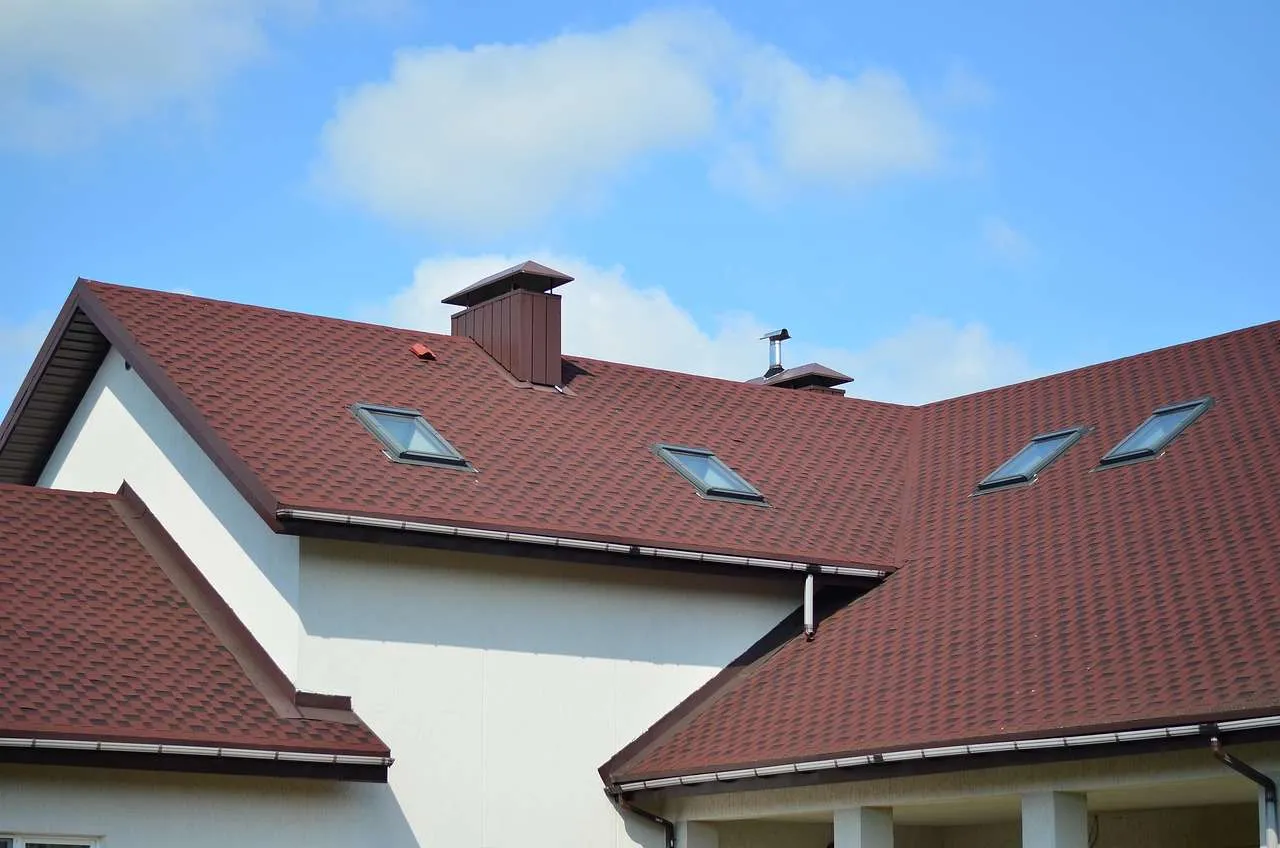
Roofing and Roof Repairs: Expert Guide

Roofing and roof repairs are essential components of home maintenance. As a homeowner, understanding when to repair a roof, what options you have, and how to find a trustworthy contractor can save you money and protect your home from weather damage. This guide covers signs of damage, repair strategies, contractor selection, costs, and maintenance tips to keep your roof performing well for years.
Understanding roofing and roof repairs
Roofing refers to the system of materials that covers a building to protect it from the elements. Roof repairs are temporary or permanent fixes that restore function after damage, leaks, or wear. The goal is to extend service life, prevent interior damage, and preserve energy efficiency.
Signs your roof needs repair
Look for visible clues: water stains on ceilings or walls, dark spots in the attic, curling or missing shingles, granule loss in gutters, and obvious sagging in the roof plane. After storms, inspect for hail impact marks or displaced flashing around chimneys and vents. If you notice daylight through the attic or damp insulation, a repair or assessment is urgent.
Common causes and when to act
Causes include weather exposure, aging materials, improper installation, and tree-related damage. Asphalt shingles typically last 15–30 years; metal roofs can exceed 40 years with proper care. When leaks appear after heavy rain or snow load, or if moss and rot develop, contact a licensed roofer for an assessment. Timely repairs can prevent structural damage and mold growth.
DIY vs professional roof repairs
Small, safe exterior fixes like resealing flashing or replacing a few shingles may be manageable for confident homeowners with proper safety gear. However, most repairs involve height, fall risk, and code requirements. Professionals have liability insurance, proper fall protection, and warranties on workmanship. Always verify licenses, insurance, and references, and obtain a written estimate before work begins.
Choosing a roofing contractor
Ask for licensing, insurance, and a written contract. Check references and recent projects, review warranties, and compare multiple bids. A reputable roofer explains scope, materials, schedule, and cleanup. Ensure they follow local building codes and environmental guidelines for disposal of old materials.
Costs, maintenance, and materials
Repair costs vary by material, extent of damage, and labor. Minor shingle repairs may cost a few hundred dollars; more extensive damage can reach several thousand. Consider maintenance like annual inspections, gutter clearing, and moss treatment to extend life. Materials affect longevity and cost: asphalt shingles, metal, tile, and slate each have trade-offs in durability and price.
Table: Repair vs Replacement — a quick comparison
| Scenario | Typical Repair | Replacement | Estimated Cost | Lifespan After |
|---|---|---|---|---|
| Minor leak, localized damage | Repair small area | — | $300–$1,000 | 15–40 yrs (new roof) |
| Widespread shingle failure | Partial repair | Full roof replacement | $1,000–$5,000 | — |
| Age-related deterioration (15–20 yrs) | Limited repairs | Full replacement recommended | $5,000–$15,000 | 20–50 yrs depending on material |
| Structural damage (sheathing/rooftop) | Patchwork repair | Replacement of affected area | $2,000–$10,000 | Depends on scope |
| Normal maintenance | Minor fixes | — | $100–$600 per visit | Varies by material |
Types of roofing materials and maintenance tips
Common options include asphalt shingles, metal, tile, and slate. Each has different repair needs and lifespans. Regular inspections, cleaning gutters, trimming overhanging branches, and addressing moss or algae early help prevent costly repairs. When repairs are needed, always use materials that match or complement the existing roof for best performance and resale value.
Conclusion
Properly managing roofing and roof repairs protects your home from water intrusion, preserves energy efficiency, and extends roof life. Verify qualifications, pursue timely repairs, and budget for routine maintenance to minimize future costs and stress.
Summary: This guide covers signs of roof damage, repair vs replacement decisions, contractor selection, cost considerations, and maintenance practices to keep your roof durable and reliable for the long term.